
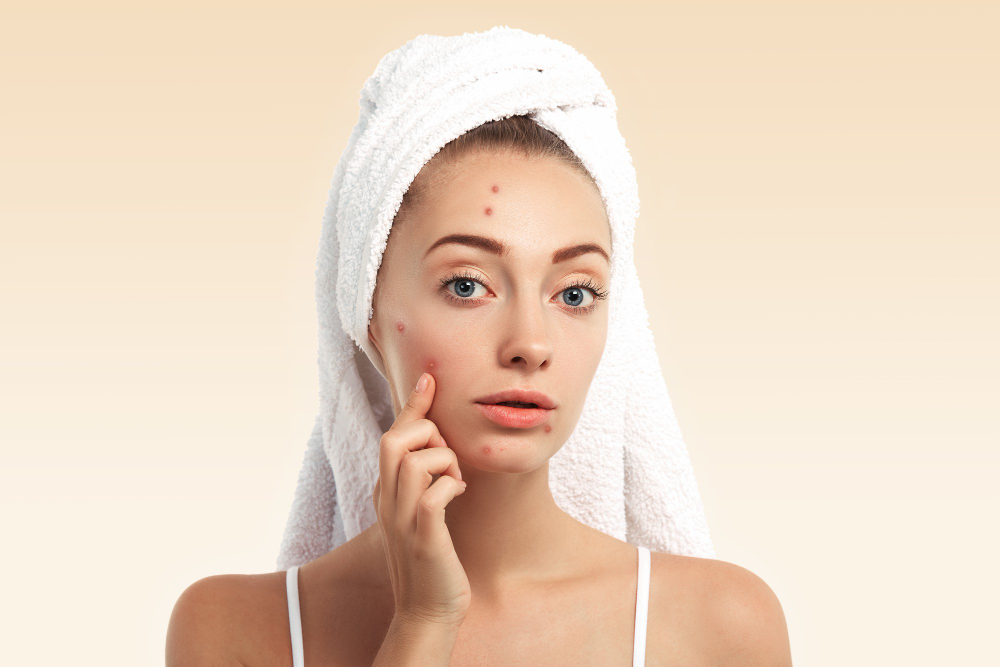
Introduction
Acne vulgaris, often called pimples, is a common skin problem. It affects many teenagers and adults. For some, it can cause stress and lower self-confidence. However, there are self care tips to reduce the risk of acne vulgaris. Preventing pimples is important because it helps keep your skin healthy and clear. With the right steps, you can lower your chances of breakouts. In this blog, you will learn simple acne prevention tips and dermatologist-recommended acne care.
What Causes Acne Vulgaris?
Acne vulgaris happens when hair follicles get clogged. Oil, dead skin cells, and bacteria can block these tiny openings. As a result, pimples, blackheads, or whiteheads may form. Hormones, stress, and certain foods can make acne worse. Sometimes, using oily or harsh skin products can also trigger breakouts. Although acne is not dangerous, it can leave scars if not managed well. Understanding these causes helps you make better choices for your skin.
Key Self Care Tips to Prevent Acne
There are many ways to care for your skin and prevent pimples. Below are some easy-to-follow tips:
By following these acne prevention tips, you can support your skin’s health every day.
Lifestyle Changes for Clearer Skin
Besides daily skin care, some lifestyle changes can help prevent acne. For example, drink plenty of water to keep your skin hydrated. Also, get enough sleep each night. Sleep helps your body repair itself, including your skin. If you exercise, remember to shower soon after sweating. Sweat can mix with oil and block pores. In addition, avoid touching your face with unwashed hands. These small changes can make a big difference over time.
When to See a Dermatologist
Sometimes, self care tips to reduce the risk of acne vulgaris are not enough. If your acne is severe or does not improve, it is time to see a dermatologist. Also, if you notice pain, swelling, or scarring, seek help. Dermatologists can offer treatments that are stronger than over-the-counter products. Early treatment can prevent lasting skin damage. According to the American Academy of Dermatology, professional care is important for stubborn acne.
Frequently Asked Questions About Acne Prevention
Conclusion and Call-to-Action
In summary, self-care tips to reduce the risk of acne vulgaris can help you enjoy clearer skin. Simple steps like gentle cleansing, healthy eating, and stress management make a big difference. However, if your acne does not improve, do not wait. Consult a dermatologist at Saavy Skin & Diagnostics Centre for personalized guidance on acne prevention.