
Introduction
Many people worry about acne scars. The prevention of acne scars is important for clearer skin. While acne is common, scars can last much longer. However, you can take steps to reduce your risk. This blog shares proven acne scar prevention tips and dermatologist advice for acne scars.
What Are Acne Scars?
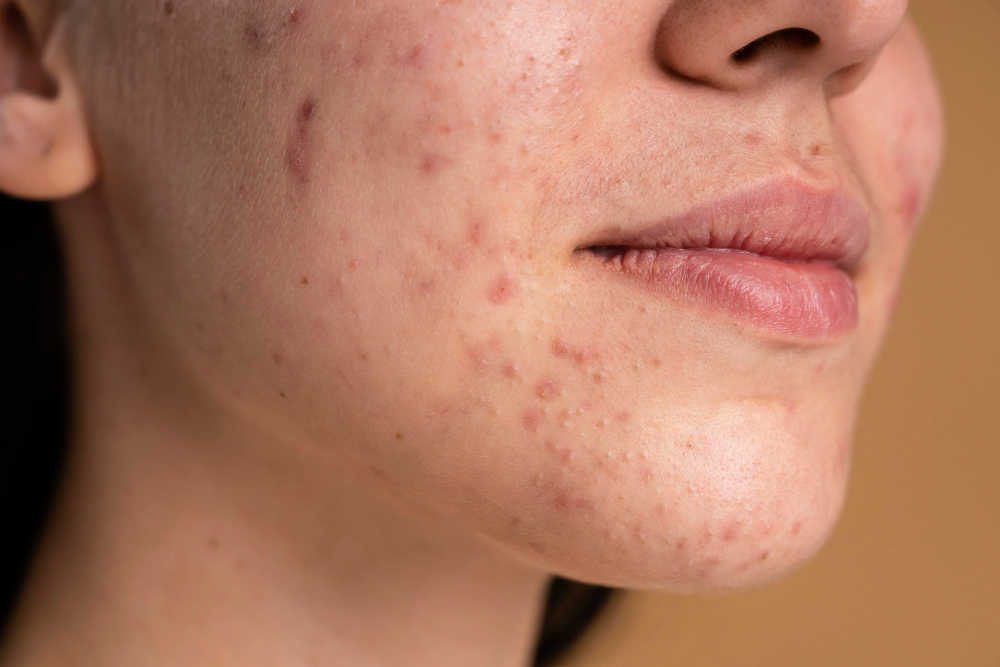
Acne scars are marks left on the skin after pimples heal. These scars can look like pits, raised bumps, or dark spots. Sometimes, scars fade over time. But often, they remain for years. For many, these scars can affect confidence. Understanding acne scars helps you prevent them.
Why Do Acne Scars Form?
Acne scars form when the skin tries to heal after a pimple. Sometimes, the skin makes too much or too little tissue. This can cause uneven texture or color. In addition, picking or squeezing pimples can make scars worse. Early treatment of acne helps lower the risk of scarring.
Risk Factors for Developing Acne Scars
Not everyone with acne gets scars. Still, some factors increase your risk. Knowing these can help you take action early.
Proven Prevention Strategies
Thankfully, there are many ways to prevent acne scars. With the right steps, you can protect your skin and boost your confidence.
1. Start Acne Treatment Early
First, treat acne as soon as it appears. Early care can stop pimples from getting worse. Over-the-counter creams with benzoyl peroxide or salicylic acid may help. If acne is severe, see a dermatologist for stronger treatments.
2. Avoid Picking or Squeezing Pimples
It may be tempting to pop pimples. However, this can push bacteria deeper and cause scars. Instead, let pimples heal on their own.
3. Follow a Gentle Skincare Routine
4. Make Healthy Lifestyle Choices
5. Seek Professional Help When Needed
If acne does not improve, see a dermatologist. Early expert care can prevent scars. Sometimes, prescription medicines or special treatments are needed. Dermatologists can also give advice on how to prevent acne scars.
When to Seek Professional Help
Sometimes, home care is not enough. If you notice these signs, it is time to see a doctor:
Early help can make a big difference. Dermatologists have many tools to treat acne and prevent scars.
Myths vs. Facts About Acne Scar Prevention
There are many myths about acne scars. Let’s clear up some common ones.
Summary of Key Takeaways
Conclusion
In summary, the prevention of acne scars is possible with the right steps. Early care, gentle routines, and healthy habits all help. If you have concerns, consult Dr. Nisha Meena at Saavy Skin & Diagnostics Centre for personalized advice on preventing acne scars.