
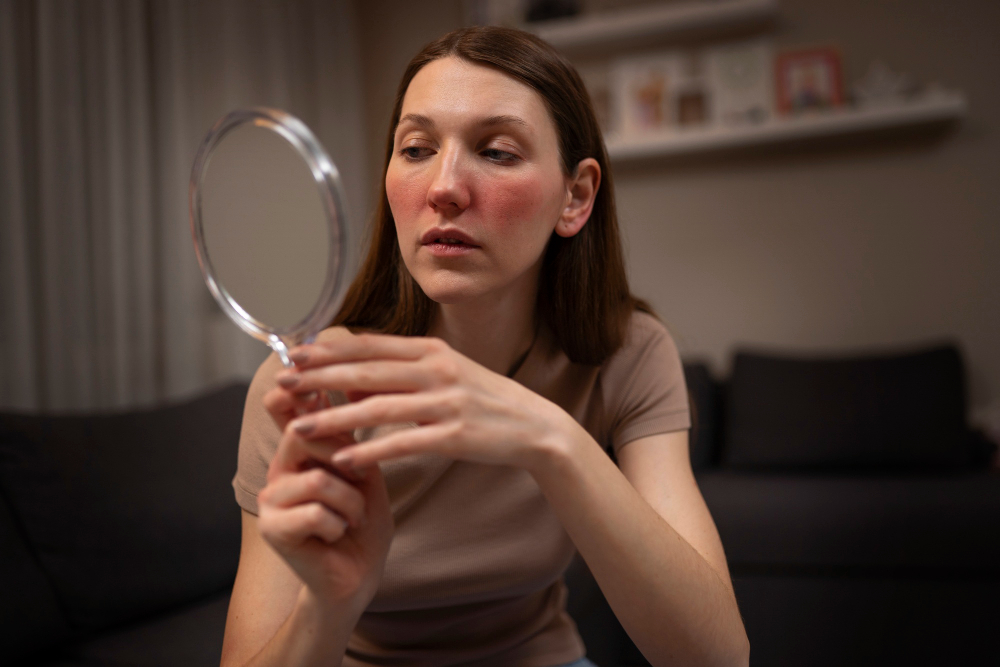
What is Photosensitivity Disorder?
Photosensitivity disorder is a condition where the skin reacts strongly to sunlight or artificial light. People with this disorder may notice skin sensitivity to sunlight, also called photosensitive skin reactions. Often, even a short time in the sun can cause redness, rashes, or other problems. Because this condition can affect daily life, it is important to understand its symptoms, causes, and how to manage it.
Common Symptoms
Many people with photosensitivity disorder notice changes in their skin soon after sun exposure. However, symptoms can vary from person to person. Some common signs include:
Sometimes, these symptoms appear within minutes. In other cases, they may take hours or even a day to show up. If you notice these signs after being in the sun, you might have a photosensitivity disorder.
Causes and Risk Factors
There are several reasons why someone may develop photosensitivity disorder. For example, some people have a genetic tendency. Others may react to certain medicines or health conditions. Common causes and risk factors include:
Additionally, living in sunny areas or spending a lot of time outdoors can increase your risk. Always check with your doctor if you start a new medicine and notice skin changes.
How Photosensitivity Disorder is Diagnosed
Doctors use several steps to diagnose photosensitivity disorder. First, they ask about your symptoms and medical history. Next, they may do a physical exam to check your skin. Sometimes, doctors use special light tests to see how your skin reacts. Blood tests can also help find any underlying health problems. If needed, your doctor may refer you to a skin specialist, called a dermatologist.
Treatment Options
Treating photosensitivity disorder depends on the cause. However, most people can manage their symptoms with a few changes. Common treatment options include:
In some cases, doctors may prescribe special creams or oral medicines to reduce inflammation. Always follow your doctor’s instructions for the best results.
Prevention and Lifestyle Tips
While you cannot always prevent photosensitivity disorder, you can lower your risk. Try these simple tips:
Moreover, people living in sunny cities or high-altitude areas should take extra care. Even on cloudy days, UV rays can cause skin reactions.
When to See a Doctor
“If you notice unusual skin reactions to sunlight, do not ignore them. You should see a doctor if:
Early diagnosis and treatment can help prevent complications.
If you notice unusual skin reactions to sunlight, consult a dermatologist at Saavy Skin & Diagnostics Centre for personalized advice.”