
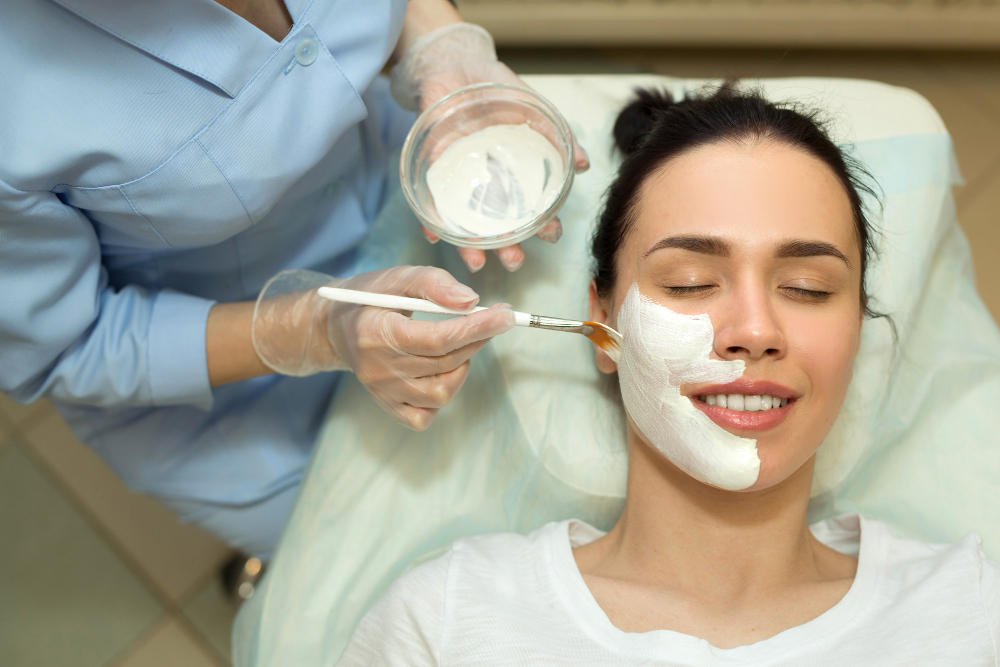
Introduction: What Is Chemical Peeling?
Chemical peeling is a skin treatment that uses special solutions to remove the top layers of skin. This process helps improve skin texture, reduce spots, and smooth fine lines. Many people choose chemical peels for brighter, healthier-looking skin. However, knowing the do’s and don’ts of chemical peeling is important for safe and effective results. Following safe chemical peeling tips can help you avoid problems and get the best outcome.
Do’s Before and After Chemical Peeling
Proper care before and after a chemical peel is key. For best results, follow these do’s:
In addition, choosing the right peel for your skin type is important. Your dermatologist can guide you on this.
Don’ts to Avoid Complications
There are several things you should not do to prevent problems. For example, do not:
By avoiding these don’ts, you lower your risk of side effects and help your skin recover well.
Common Chemical Peeling Mistakes to Avoid
Many people make mistakes during chemical peeling. For instance, some use peels too often or choose the wrong type. Others may not follow chemical peel aftercare steps. Here are common mistakes to avoid:
Therefore, always listen to your skin and your doctor’s advice.
Safety Tips for Chemical Peeling
Staying safe during chemical peeling is important. Here are some safe chemical peeling tips:
According to the American Academy of Dermatology, professional guidance reduces the risk of side effects.
Potential Risks of Chemical Peeling
While chemical peels are usually safe, some risks exist. For example, you may notice:
However, most side effects are mild and go away with proper care. If you have a history of skin problems, tell your doctor before the procedure. The World Health Organization recommends seeking expert care for any skin treatment.
Chemical Peel Aftercare Guidance
Aftercare is crucial for healthy skin. Here are some chemical peel aftercare tips:
With proper aftercare, your skin will heal faster and look better.
When to Consult a Dermatologist
Sometimes, you may need extra help. Consult a dermatologist if you notice:
Early treatment can prevent serious problems. For any concerns, it is always best to seek expert advice.
Conclusion
Chemical peeling can improve your skin when done safely. By following the do’s and don’ts of chemical peeling, you protect your skin and get better results. Remember, consult a dermatologist at Saavy Skin & Diagnostics Centre for personalized advice before starting chemical peeling.