What Are Keloids & Hypertrophic Scars?
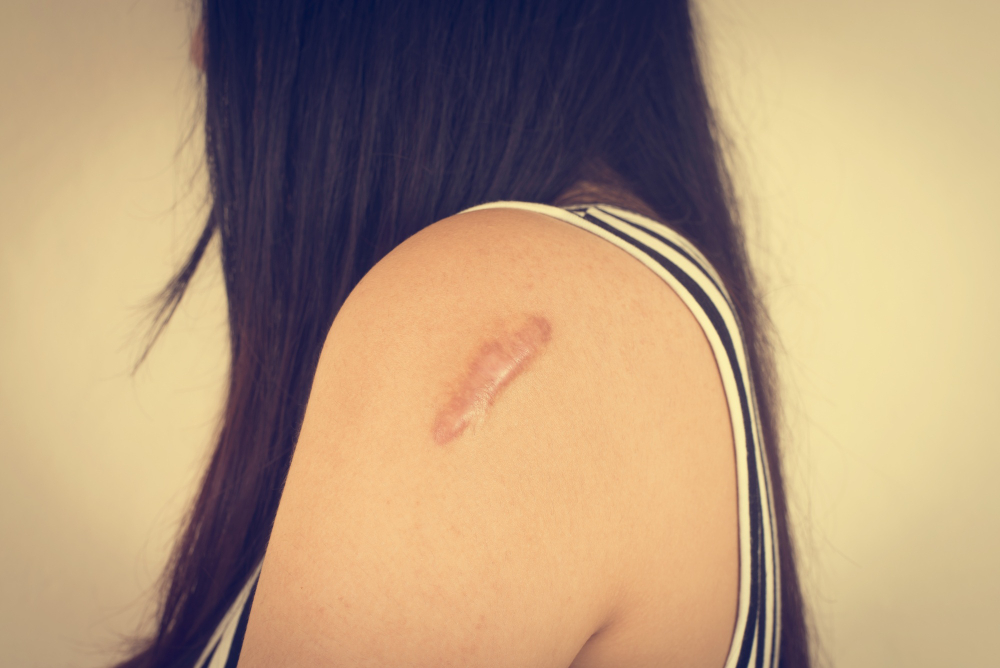
Keloids & Hypertrophic Scars are types of raised scars that form after skin injuries. Both can look similar, but they have key differences. Keloids grow beyond the original wound, while hypertrophic scars stay within the wound area. Many people want to know the difference between keloids and hypertrophic scars. Understanding these scars helps you choose the right care and treatment.
Symptoms and Appearance
Both keloids and hypertrophic scars can look raised and thick. However, there are some differences in how they appear. For example, keloids often:
On the other hand, hypertrophic scars:
Sometimes, these scars can itch, hurt, or feel sensitive. But not everyone has symptoms.
Causes and Risk Factors
Scars form as the skin heals after an injury. Sometimes, the body makes too much collagen, a protein that helps skin heal. This extra collagen causes keloids & hypertrophic scars. Several factors can increase your risk:
Still, not everyone with these risk factors will develop scars. But knowing your risk can help you take steps to prevent them.
Diagnosis
Doctors usually diagnose keloids & hypertrophic scars by looking at your skin. They may ask about your medical history and how the scar formed. Sometimes, a skin biopsy is needed to rule out other problems. However, most cases do not need special tests. Early diagnosis helps you get the best treatment for your scar type.
Treatment Options
Many people ask about keloid scar treatment and the best treatments for hypertrophic scars. Treatment depends on the scar type, size, and location. Options include:
Sometimes, doctors use more than one treatment. But results can vary. Always talk to a dermatologist about your options.
Prevention Tips
While not all scars can be prevented, you can lower your risk. Here are some tips on how to prevent keloids and hypertrophic scars:
Even with good care, some people may still develop scars. But early action can help reduce their size and appearance.
Living with Keloids & Hypertrophic Scars
Living with keloids & hypertrophic scars can affect how you feel about your skin. Sometimes, these scars can cause discomfort or make you feel self-conscious. However, many people find ways to manage their scars and boost their confidence. For example, you can:
Remember, you are not alone. Many people have scars, and help is available.
Consult a dermatologist at Saavy Skin & Diagnostics Centre for personalized advice on managing keloids and hypertrophic scars.