Introduction to Botox
Botox is a popular treatment for reducing wrinkles and fine lines. It is made from a purified protein called botulinum toxin. Doctors have used Botox for both cosmetic and medical reasons since the 1980s. Over time, it has become one of the most common non-surgical cosmetic procedures worldwide. Many people choose Botox because it is quick and does not require surgery.
Common Uses of Botox in Dermatology
Botox is best known for its use in treating facial wrinkles. However, it also helps with several other skin and muscle conditions. For example, doctors may use Botox to treat:
In addition, some people receive Botox for medical issues like migraines or eye twitching.
How Botox Works
Botox works by blocking signals from nerves to muscles. As a result, the treated muscles cannot contract. This makes wrinkles relax and soften. Usually, the effects last for three to six months. After that, the muscles slowly return to normal, and lines may reappear. Because the treatment is temporary, many people choose to repeat it as needed.
Benefits of Botox Treatment
There are several benefits to choosing Botox. For instance, it is a quick procedure with little to no downtime. Most people can return to their daily activities right away. Other benefits include:
Because Botox is so effective, many people feel more confident after treatment.
Risks and Possible Side Effects
Like any medical procedure, Botox has some risks. However, most side effects are mild and go away quickly. Common side effects include:
Rarely, more serious side effects can occur. For example, allergic reactions or muscle weakness may happen. Therefore, it is important to choose a trained and experienced doctor for your Botox treatment. The U.S. Food and Drug Administration (FDA) and the American Academy of Dermatology both recommend this for safety.
What to Expect During and After a Botox Procedure
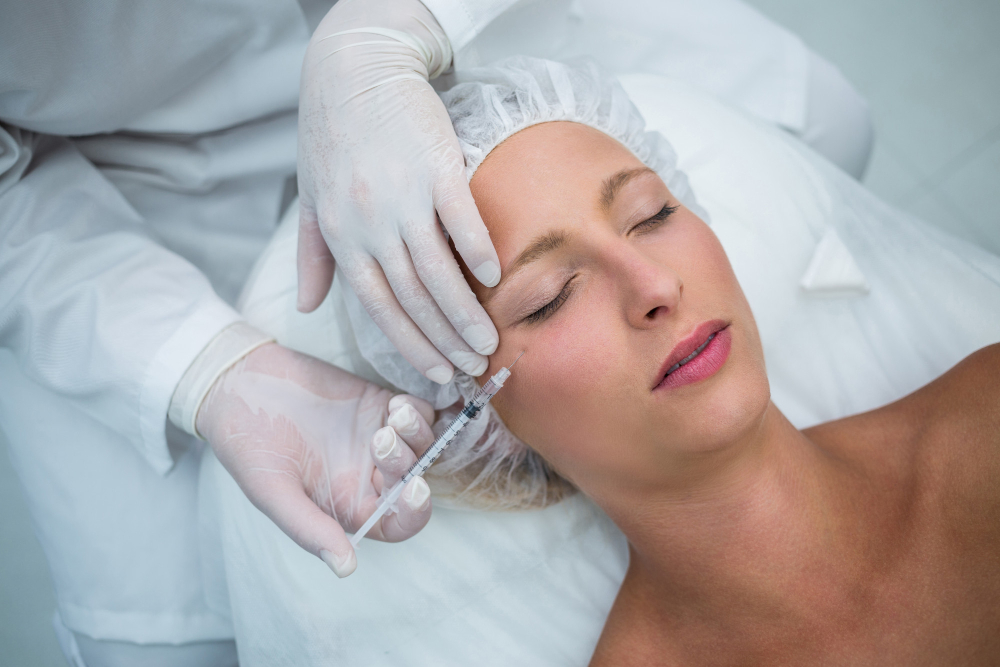
Before your Botox procedure, your doctor will review your medical history. Next, they will clean the area and use a fine needle to inject small amounts of Botox. The procedure usually takes less than 20 minutes. Most people feel only a slight pinch during the injections.
After the procedure, you can return to normal activities. However, your doctor may ask you to avoid rubbing the treated area or lying down for a few hours. Results usually appear within three to seven days. The effects last for several months, but you may need repeat treatments to maintain the results.
Who Should and Should Not Consider Botox
Botox is safe for most healthy adults. However, some people should avoid it. For example, you should not get Botox if you:
Always talk to your doctor before starting Botox. They can help decide if it is right for you.
Tips for Safe and Effective Botox Treatments
To get the best results from Botox, follow these tips:
Because safety is important, never get Botox from unlicensed providers.
Prevention and Aftercare Advice
After Botox, you can help prevent problems by following your doctor’s advice. For example, avoid touching or massaging the treated area for at least 24 hours. Also, stay upright for a few hours after treatment. If you notice any unusual symptoms, contact your doctor right away. With proper care, you can enjoy the benefits of Botox safely and effectively.
Conclusion
Botox is a safe and effective way to reduce wrinkles and treat certain medical conditions. However, it is important to choose a qualified doctor and follow all care instructions. For personalized advice about Botox, consult a qualified dermatologist at Saavy Skin & Diagnostics Centre.