Introduction to Hormonal Acne & PCOD
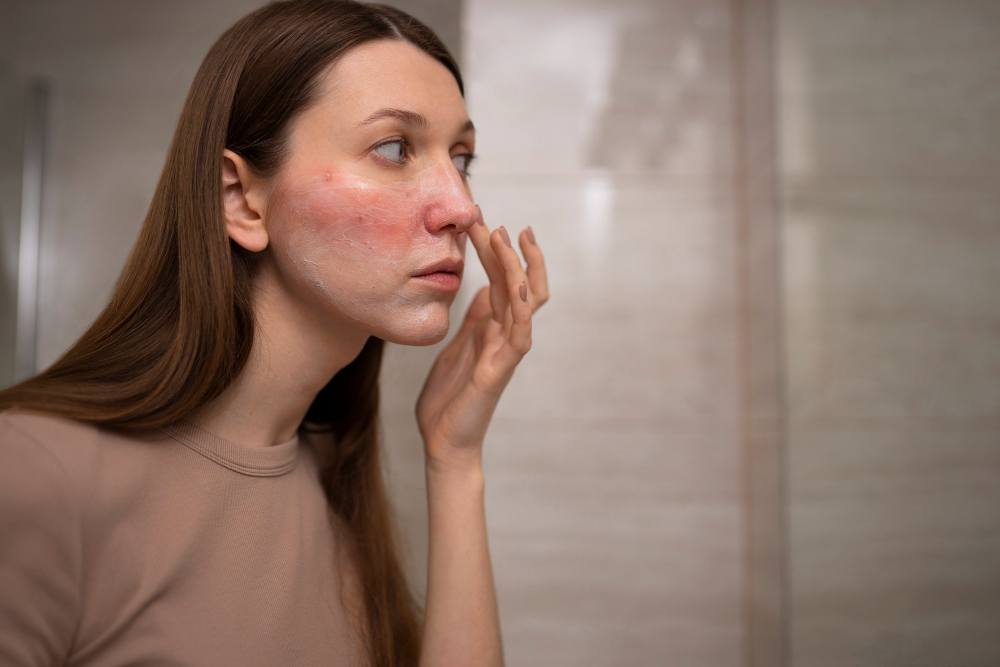
Many women experience hormonal acne and PCOD at some point in their lives. PCOD stands for Polycystic Ovarian Disease. It is a common health problem that affects hormone levels in women. Because of these changes, skin problems like acne often appear. In fact, hormonal acne and PCOD are closely linked. Understanding this connection can help you manage your skin better.
Causes and Risk Factors
Hormonal acne and PCOD share several causes. PCOD leads to an imbalance in hormones such as androgens. These hormones can make the skin produce more oil. As a result, pores get blocked, and acne forms. Other risk factors include:
Additionally, some women notice their acne gets worse during periods or pregnancy. This is also due to hormone changes.
Common Symptoms
Hormonal acne and PCOD can cause several symptoms. For example, you may notice:
Sometimes, these symptoms can be mild. However, for many women, they can affect daily life and self-confidence.
Diagnosis and When to Seek Help
If you have signs of hormonal acne and PCOD, it is important to see a doctor. Usually, a doctor will ask about your symptoms and medical history. They may also do a physical exam. In some cases, blood tests or an ultrasound are needed to check hormone levels and look for cysts on the ovaries.
Moreover, you should seek help if:
Early diagnosis can help prevent long-term problems.
Treatment Options (Medical and Lifestyle)
Treating hormonal acne and PCOD often needs a mix of medical care and lifestyle changes. Doctors may suggest:
Besides medical treatment, lifestyle changes can help. For example:
According to the CDC, healthy habits can improve both PCOD and skin health.
Prevention and Self-care Tips
While you cannot always prevent hormonal acne and PCOD, some steps may lower your risk. Try these self-care tips:
Furthermore, regular check-ups with your doctor can help catch problems early.
Frequently Asked Questions
Conclusion with a Call-to-Action
In summary, hormonal acne and PCOD are common but manageable conditions. With the right care, you can improve your skin and overall health. If you have concerns about PCOD skin problems or treating hormonal acne, do not wait. Consult a dermatologist at Saavy Skin & Diagnostics Centre or a healthcare provider for personalized advice on managing hormonal acne and PCOD.