
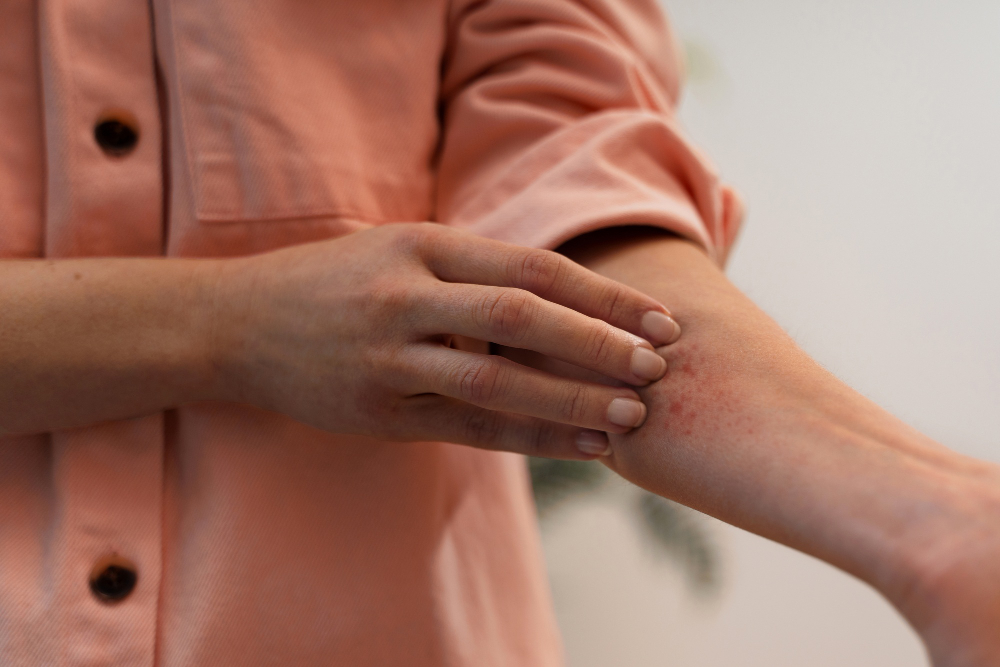
What Is Ringworm?
Ringworm is a common skin infection caused by a fungus. Despite its name, it is not caused by a worm. Instead, the infection gets its name from the ring-shaped rash it often creates. Recognizing a ringworm infection early can help prevent it from spreading to others. According to the CDC, ringworm can affect anyone, but it is especially common in children and people with pets.
Common Symptoms of Ringworm
Ringworm symptoms can look different from person to person. However, most people notice a few key signs. For example, you may see:
In addition, ringworm can appear on the scalp, feet, groin, or nails. Early signs of ringworm in adults and children are often mild, but the rash can grow larger if not treated.
Causes and Risk Factors
Ringworm is caused by a group of fungi called dermatophytes. These fungi live on skin, hair, and nails. You can get ringworm by touching an infected person, animal, or object. For instance, sharing towels, clothing, or sports equipment can spread the infection. Some risk factors include:
Because ringworm spreads easily, it is important to know how to identify ringworm early.
How to Recognize Ringworm at Home
At home, you can look for certain signs to help with recognizing a ringworm infection. For example, check for:
However, other skin problems can look like ringworm. Therefore, if you are unsure, it is best to seek medical advice.
When to See a Doctor
Sometimes, home care is not enough. You should see a doctor if:
Additionally, children, older adults, and people with weak immune systems should get checked sooner.
Diagnosis Methods
Doctors use several ways to diagnose ringworm. First, they may look at your skin and ask about your symptoms. Next, they might take a small skin sample for testing. This test can confirm if a fungus is present. Sometimes, a special light called a Wood’s lamp helps spot the infection. According to dermatology experts, these methods are safe and quick.
Prevention Tips
Preventing ringworm is possible with good habits. To lower your risk, try these tips:
Because ringworm spreads easily, these steps can help protect you and your family.
Conclusion
In summary, recognizing a ringworm infection early can help you get the right treatment. Watch for red, ring-shaped rashes and other signs. If you suspect a ringworm infection, consult a dermatologist at Saavy Skin & Diagnostics Centre for accurate diagnosis and treatment.