
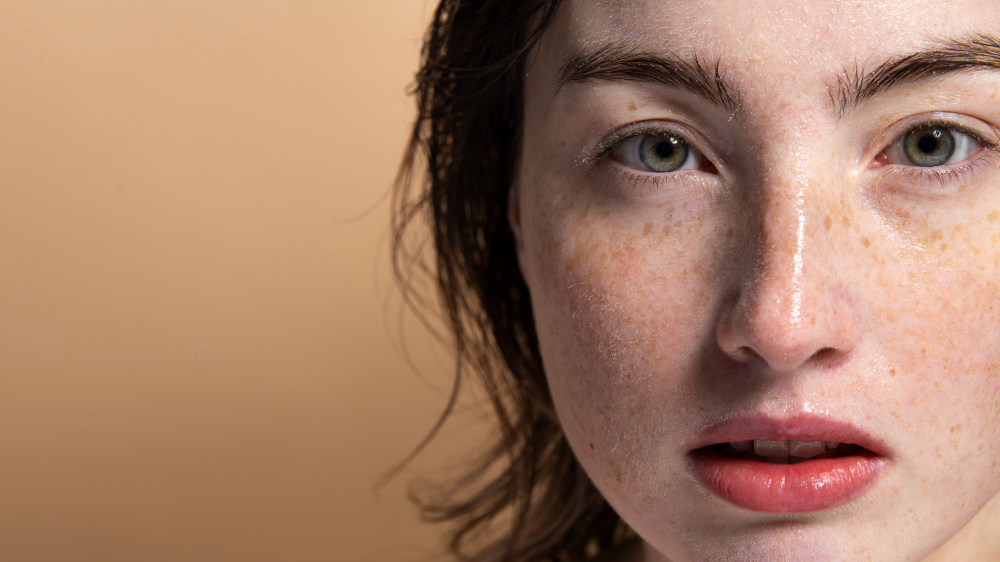
Many people notice brown spots on their skin and wonder if they have melasma or freckles. Understanding the difference between melasma and freckles is important for choosing the right treatment. In this blog, we will explain melasma vs. freckles, highlight their differences, and share the best treatments for each. You will also find helpful prevention tips to keep your skin healthy.
What Are Melasma and Freckles?
First, let’s define both conditions. Melasma is a common skin problem that causes brown or gray-brown patches. These patches often appear on the face, especially on the cheeks, forehead, and upper lip. Freckles, on the other hand, are small, flat, light brown spots. They usually show up on sun-exposed areas like the nose, cheeks, and arms.
Both melasma and freckles are harmless. However, they can affect how you feel about your skin. Knowing what you have helps you choose the best care.
Key Differences Between Melasma and Freckles
Although melasma and freckles may look similar, they have key differences. For example, melasma patches are larger and have uneven edges. Freckles are smaller and rounder. Here are some main differences:
Causes and Risk Factors
Now, let’s look at what causes these spots. Melasma is often triggered by:
Freckles, in contrast, are mainly caused by:
As you can see, both conditions are linked to the sun. However, melasma is also tied to hormones and genetics. (Source: American Academy of Dermatology)
Diagnosis: How to Tell Them Apart
Sometimes, it can be hard to tell melasma and freckles apart. However, a dermatologist can help. They may:
In rare cases, a small skin sample may be needed. But usually, a doctor can tell by looking.
Best Treatments for Melasma
Melasma treatment options focus on fading the dark patches. For best results, you may need a mix of treatments. Some common options include:
It is important to note that melasma can return. Therefore, ongoing sun protection is needed. Always talk to a dermatologist before starting treatment. (Source: American Academy of Dermatology, PubMed)
Best Treatments for Freckles
Freckles are harmless and do not need treatment. However, if you want to lighten them, there are safe options. For example:
Remember, freckles often fade in winter and darken in summer. Sun protection is the best way to manage them. (Source: CDC, Dermatology journals)
Prevention Tips and Lifestyle Guidance
Now, let’s talk about prevention. Whether you have melasma or freckles, these tips can help:
With these steps, you can lower your risk of new spots and keep your skin healthy.
Conclusion
In summary, understanding the difference between melasma and freckles helps you choose the right skin care approach. At Saavy Skin & Diagnostics Centre, both conditions are evaluated carefully, as they are common and harmless but differ in causes and treatment methods. If you notice new or changing spots, timely consultation at Saavy Skin & Diagnostics Centre helps ensure the right diagnosis and personalised care.
For expert guidance on managing melasma or freckles, consult a dermatologist at Saavy Skin & Diagnostics Centre.